Office
NO,46, 50ft Road, Rajeev Gandi Circle Laggere
Bengaluru , karnataka
India (560058)
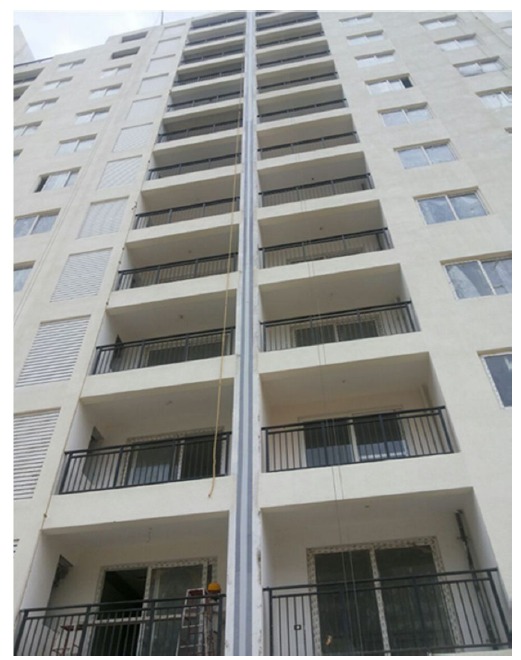
Waterproofing is essential for both old and new buildings to prevent water damage and ensure durability.
Old Building Waterproofing
1. Repair and restoration of existing waterproofing systems
2. Identification and repair of water damage and leaks
3. Application of new waterproofing coatings or membranes
4. Consideration of building codes and regulations
New Building Waterproofing
1. Design and installation of waterproofing systems
2. Selection of suitable waterproofing materials and method
3. Ensuring proper drainage and water management
4. Compliance with building codes and regulations
Benefits of Waterproofing
1. Prevents water damage and leaks: Waterproofing prevents water from entering the building, reducing the risk of damage and costly repairs.
2. Reduces maintenance and repair costs: Waterproofing reduces the need for costly repairs and maintenance.
3. Enhances building durability and longevity: Waterproofing helps to extend the lifespan of the building.
4. Maintains indoor air quality: Waterproofing helps to prevent mold and mildew growth, maintaining indoor air quality.
Common Waterproofing Methods
1. Membrane waterproofing (e.g., liquid-applied, sheet membranes): Apply a waterproof membrane to the surface.
2. Coating waterproofing (e.g., polyurethane, acrylic): Apply a waterproof coating to the surface.
3. Cementitious waterproofing (e.g., cement-based coatings): Apply a cement-based coating to the surface.
4. Drainage systems (e.g., gutters, downspouts): Install drainage systems to manage water runoff.